The Art of Narrative Politics: Connecting with Voters Authentically with Adin Lenchner
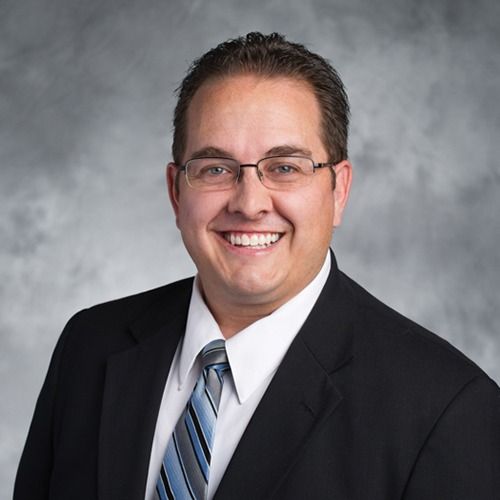
This podcast delves into the intricate nexus of civic engagement and electoral strategizing, with a particular emphasis on the pivotal role of trust in contemporary politics. We are graced by the insights of Adin Lenchner, a distinguished campaign strategist and advocate for voting rights, whose expertise illuminates the pressing necessity for authentic representation within our electoral system. As we navigate the conversation, we confront the pervasive apathy that has enveloped the electorate, particularly in the wake of recent elections, and explore how candidates like Zohran Mamdani are redefining the political landscape by prioritizing genuine connections with voters. The episode also scrutinizes the dual-edged sword of technological advancements in campaigning, positing that while these tools can enhance outreach, they must not supplant the essential human element that fosters trust and engagement. Join us as we dissect these themes, aiming to inspire a renewed commitment to civic responsibility and the imperative of making our voices heard in the democratic process. The podcast explores the intricate landscape of modern political campaigns, with particular emphasis on narrative strategy and grassroots mobilization. The discussion features Adin Lenchner, a campaign strategist dedicated to enhancing voter engagement through authentic representation. Lenchner articulates the pervasive voter apathy, exacerbated by a lack of trust in government institutions, noting that even during landmark elections, significant portions of the electorate abstain due to disillusionment. As the 2026 midterms approach, the dialogue explores the necessity for candidates to resonate with voters on a personal level, fostering genuine connections grounded in shared values and experiences. The podcast underscores the importance of focusing on community needs rather than merely presenting policy plans, illustrating how candidates like Zohran Mamdani have successfully engaged with constituents by prioritizing their concerns over self-serving agendas. This episode serves as a clarion call for a more participatory democracy, urging listeners to recognize the power of their vote and the impact of grassroots organizing in shaping a more just political landscape.
Takeaways:
- The significance of civic engagement cannot be overstated, as evidenced by the disheartening voter-turnout statistics, which show that many eligible voters remain apathetic about participating in elections.
- A lack of faith in governmental institutions has led to widespread disillusionment, further complicating the democratic process and diminishing public trust in elected officials and their promises.
- Candidates who authentically connect with their constituents and demonstrate a genuine commitment to their needs tend to inspire more voter confidence and turnout, as exemplified by Zohran Mandani's campaign.
- The rise of technology in political campaigns presents both opportunities to enhance voter engagement and challenges in maintaining genuine human connections throughout the electoral process.
- Organizers in the political sphere must navigate the delicate balance between passion for their work and the risk of burnout, necessitating supportive structures to sustain their commitment and effectiveness.
- The upcoming midterms present a critical juncture for candidates to shift narratives towards more positive and inclusive platforms, fostering a hopeful and engaged electorate that seeks meaningful change.
Links referenced in this episode:
Companies mentioned in this episode:
- Caroll Street Campaigns
- Zohran Mamdani
- Mary Peltola
- Roy Cooper
- Graham Platner
- Abigail Spanberger
- Annie Andrews
- Kate Connolly
- Donald Trump
- Elon Musk
- Cori Bush
- Deb Holland
Transcript
Foreign.
Lenchner is a campaign strategist and voting rights advocate leading Caroll Street Campaigns, an organization focused on narrative strategy and digital infrastructure for grassroots electoral organizing. Welcome, Adin.
Adin Lenchner:Thanks very much. Happy to be here.
Taylor Darcy:So, you know, I, I've. This podcast is dedicated to making our, our union more perfect.
granted. Certainly after the: I felt like in:Civic infrastructure failure you're seeing right now?
Adin Lenchner:Look, I, I mean, I'll.
I'll start just by saying I'm someone who got involved in politics for the very first time, not just inspired by this kind of generational enthusiasm around President Obama's first campaign for president, but just as impactfully, someone who just after he was elected, you know, it was a year where we saw Time magazine had to cover Year of the Voter, right? We were talking about this kind of true generational shift.
Someone who was shocked to learn that that once in a lifetime voter turnout percentage was just 60%, which means that, you know, 4 in 10 voters, even in a year as inspirational as President Obama's first run for president against such a stark contrast as Senator John McCain, stayed home because they were alienated by, by politics.
I think the biggest pe, you know, biggest piece that's keeping people at home is just a lack of faith in government, a lack of faith in both parties and institutions that their lives will be meaningfully changed.
They simply, you know, they read the news, they follow what's happening and simply don't believe that their elected officials are looking out for them. It's partly why, I think, you know, when we see, when we see elected officials that are really able to cut through that noise.
And I think we're seeing, you know, a great example is Zohran Mamdani's campaign here in New York really is around candidates that are able to credibly and authentically represent themselves as being someone who's actually going to meaningfully make people's lives better. And voters want to believe in that, you know, want to give, want to give them a chance.
hink as we're looking towards: Taylor Darcy:Yeah, I think there's a. And to kind of go off what you said is that there's this both sidesism that goes well.
They're both the lesser of two evils is the very common phrase that's being said. And I think with Zohran Mandani, I never pronounced his name correctly, I tried my hardest, but it just.
My mouth and those words don't work well together.
But his, his optimism and his enthusiasm and I think his, his willingness to meet the voters where they were as opposed to trying to convince them that he had all the answers, you know, was something that is very unheard of because there's this tendency and when you put your faith in anyone right, you're. You're bound to be disappointed because that person is going to be a human being and fail at some point.
Now, it could be systemic failure, it could be structural failure, it can be personal failures, it can be family, you know, it can be familial failures. There can be so many areas for failure to happen for, for a candidate.
And what I think was remarkable about him was that he was more concerned about the people than he was about putting forth his 10 plan or his 20 point plan or whatever and listening to them and seeing what is important to them. How can I work towards helping these people that I want to vote for me rather than how can I implement these ideas that I have. Right.
Very other focused as opposed to self focused. And I think that was such an important part of his campaign that I thoroughly enjoyed and loved.
And I mean, I didn't get to vote for him, but I would have if I could have.
And that's my biggest litmus test is, is this somebody that I would vote for if I saw if they were on my ballot and the answer is for him, yes, I would have voted for him. But I was listening to a podcast this morning that was talking about the difference between Abigail Spanberger and Zohran Mandami.
And they were saying that they're almost a Venn diagram of a circle in what they do. But, but that they're painting Abigail as a, you know, too moderate and they're painting Zoran as being too progressive.
And it's just very interesting because their policies in there and what they're looking to achieve are very similar to each other. And so, you know, it's what can demonize the other side easiest, Right? You're too progressive or you're too moderate.
Adin Lenchner:Sure.
Taylor Darcy:How. One of the things that I was reviewing your website, you're talking about narrative politics. And how do you define narrative power?
And why does it matter beyond messaging?
Adin Lenchner:Yeah, I think the simplest way of explaining it is just about how candidates are able to communicate in a way that aligns with the narrative that voters see of the world.
That is to say, I think most polls, most research now shows a pretty consistent picture of the world, which is that groceries are expensive, electricity, rent is incredibly expensive.
And this dream, the true American dream that most American families were raised with, that this is a meritocracy where if you work hard, you can succeed and build a better life than your parents had, is becoming increasingly out of reach for most people. And so when they are looking for candidates that inspire them and also that can believably help to make that dream a reality.
Taylor Darcy:They'Re.
Adin Lenchner:They're looking for people that not just have the experience, but are also able to speak about it in a way that actually matches how people are thinking about it.
So that is to say, like, I think there's a big reason, and obviously this has been talked about, you know, to death, but a big reason that Donald Trump has been successful is he's angry. And he. He is able to speak about this in this. This chasm between the way that Washington works and the way that most families are actually living.
And there's a way to do, you know, a way to connect, you know, to resonate with voters that is angry. There's a way to connect with voters that is optimistic. There's a way to connect with voters that feels rooted in experience and practical progress.
And I think we've seen, you know, they're depending on your. Your political perspective, you can see success and all sorts of those permutations.
But truly, for me, I look at this as whether candidates, whether elected officials, speak about the reality of American life in a way that feels resonant to. To most people's experiences.
And so, you know, increasingly, I think we're seeing kind of a new generation of political candidates that are from a whole broad spectrum of backgrounds and experiences. That's. That's ethnicities, that's economic backgrounds, professional backgrounds.
You know, obviously, there was a time when you only got really elected to office because you were the son of a senator or, you know, or you were a lawyer. And now we're seeing tribal leaders in Deb Holland.
We're seeing lobster fishermen in Graham Platner in Maine, and we're seeing organizers and activists like Cori Bush. And so I think, you know, increasingly we're seeing candidates that are able to speak to the different parts of people's hearts.
And I think when voters feel like their candidates are in this world with them and seeing the world the same way that they do, that really resonates.
Taylor Darcy:Why do you think Donald Trump's anger message resonates so strong with MAGA? And I ask.
Let me kind of expound on what I mean by that, because I always look at politics as, yeah, there's some negative in politics, obviously, but there's a lot to be positive about, too. And maybe I'm a little naive on that one. But, you know, I like West Wing, right?
Like, you know, that that's actually one of the things that got me interested in politics was seeing a government that. That was positive and looked to do good.
So why is it that MAGA resonates so hard with the Trump anger and animosity towards immigrants and just everything that seems to bubble through on Trump and his. His hatred, it seems like, of everything and everyone other than himself.
Adin Lenchner:Yeah, I put it in a couple different categories. One is like, that material stress is constant, right. For most people, life feels harder and more fragile than it did a decade ago.
That's housing, that's childcare, that's healthcare, that's food costs that seem to rise faster than wages. And everything feels less stable, more surveilled, you know, more disposable than it ever has.
And even when you, you know, you're doing everything right, that no longer guarantees security, not security for your family, but even economic security. And so that, I think, produces this kind of chronic stress. And chronic stress turns into anger when there's no obvious release valve.
I think we're also seeing it institutions that feel unresponsive. Right. Kind of. As I was saying before, people are taught that democracy, that markets, that expertise are supposed to solve problems.
But now we're seeing that governments are slow or gridlocked, corporations that are unaccountable, and media that feels either sensational or dismissive. And so when you see that systems don't respond, people, you know, stop arguing kind of within those systems and start lashing out at them.
Taylor Darcy:Right.
Adin Lenchner:And. And I also, you know, part of this is also just like, there's a real loss of dignity, not just money.
You know, a lot of anger isn't about income, but it's also about status and respect. You know, people feel like they're being talked down to or that their work feels invisible or certainly undervalued. Right.
They're being underpaid, under valued in society. And then just lastly, I would say, you know, there's, feels like there's less and less of a place to actually put that feeling.
That is to say, a lot of the institutions, the organizations where folks would otherwise have an outlet to really be able to express that anger, whether that's their union or their church or civic groups or local institutions, are really diminishing. And so that means more isolation, less community, more, you know, online expression and less real world connection.
And so over time, I think all those, all those pieces have really just metastasized.
And, and then you have someone who is able to, able to tap into it in a really compelling way in, in Donald Trump with none of the, you know, moral, ethical withholdings that would otherwise keep someone from unleashing that kind of, that kind of emotion. And I think we're seeing the really nasty costs of that unleashed anger.
We, you know, we're seeing it in, in a completely unaccountable response to January 6th.
We're seeing it with masked vigilantes in the streets of, of Minnesota with no, just, you know, with no credible path to holding, to bringing those folks to justice. And so I think, you know, most people aren't just angry because they're, they're, they're radical.
They're angry because they're feeling stuck and unheard.
And, you know, certainly as it relates to the midterms, I think unless we see a really meaningful shift in the balance of power, most folks won't believe that effort will actually change any outcomes.
Taylor Darcy:Yeah. And I have to wonder though, is it the chicken or the egg of a problem? Do the system stop caring or did the people stop caring first?
That isn't to say that I'm not trying to victim blame here, anything like that.
I'm simply acknowledging that it seems to be somewhat of a, you know, correlation may equal causation, but it also might be, you know, that there's some circular effect there. Right. Systems stopped caring because people stopped showing up. I think apathy.
e, we have the, you know, the: We have the: ation that happened after the:You know, the whole saying, the squeaky wheel gets the grease, right? Like, that's, that's just a fact that unfortunately a lot of people have forgotten.
I teach business law down at a local community college, and one of the things I try to tell my people is that if, if they showed up in mass, you know, they could change the face of our democracy in a single election cycle because they have the numbers to do it, right? Like, I mean, they have more numbers than the boomers, the Gen X, we're all dying out. They still have the numbers that they could change this.
And I think that it's important that we help them understand the importance of showing up, right? Being informed voters. She's actually going to be on here again. Her name's Lindsay Cormack.
She's a professor of political science, and she talks about how civics education starts in the home, not in the schools, and that we have to show the children how to vote. You know, not necessarily, you know, guide them on who to vote for if.
Depending on the situation, but we need to show them, okay, here's where you go to vote. Here's, you know, showing up as part of the thing that was always part of it. It's so foreign to me because my parents, you know, the.
When I turned 18, that was just what you did. You voted. It was like a rite of passage. I mean, you know, some people went. Got their first pack of cigarettes. I went to vote, right? Like, that's.
I was more excited to vote than anything in the. Than one of the things that I could think of. And I think it's important that we remember that teaching, not just civic duty, right?
When it seems like a duty, you're less excited about it. Like when you have to do it because the world's going to fall apart if you don't. That's not quite as inspiring as.
It's not just your civic duty, it's your civic honor. It's part of being in a civilized society. And if you want your voice.
Voice to be heard, you have to show up even if it's not heard 100% all of the time. You know, even if you're getting 5%. 5% is better than no percent. Right. Leah Litman said, you know, she was on here as well.
We talked about, I said, you know, what do you talk about? The people that, that are scared and tired and, and they feel like nothing's going to help right now? She said doing nothing lets them win.
And I think that that's such an important part, is that we have to remember that showing up is more than just showing up. Right. It's about doing and making it part of your life so that we don't get down to these types of situations again, hopefully.
How do you balance tech tools with human trust? Because we have on one side, we're the most connected world that's ever existed in the history of world. We can instantaneously.
We're currently on chat here, and yet there's a significant disconnect amongst people. Right. How do you, how do you balance those two things?
Adin Lenchner:Yeah, you know, I think that, like, at least for me, ultimately, people, especially voters, are really good.
They've got a good BS o meter and, you know, they, they are able to see whether the person that is delivering this message is someone that they, and that they can trust or that at least that they can credibly believe is actually going to deliver on, on, on what they say.
And so I think we're seeing a lot of tech tools that, yes, lower the, you know, the barrier to entry or are good at, you know, organizing complex ideas and civic and political work. Right. That means, like, makes it easier to mobilize folks or easier to organize the data.
But ultimately, I think what we, you know, what we see is the same old, same old is effective.
Is the person delivering this message someone that I believe in and trust and, and so that means not just someone, you know, who is transactional or one way, not someone that's talking down to them or, or looking to get something out of them, but someone that is really looking to build something with them and understands what they're going through. And so, again, I think, you know, there are a number of really exciting candidates that are going to be on the ballot this November.
Whether that's Mary Patoa in Alaska, pardon me. Or it's Graham Platner, whether that's Roy Cooper in North Carolina.
These are candidates that have really been able to demonstrate that they understand the practical realities that people are going through.
And then the tech tools are simply a way to get that message out more broadly, get it out more targetedly, or to be able to make it easier for folks that receive that message to engage in the campaign in a meaningful way. And, you know, without A doubt.
I think this is also going to be a landmark year for seeing, you know, folks use those same kinds of tech tools in really nefarious ways.
I mean, it's every single day now that you log into Twitter and see some, you know, some totally disturbed AI version of reality, you know, some AI manifestation of the disturbed brain of Donald Trump out on the Internet, no doubt other folks are going to follow that lead and share either really bizarre, you know, computer generated images or weird deep fakes of people speaking.
And I think, frankly, I think that too is a good example of whether our elected officials have the bravery to be able to lead on that issue and protect people from the really upsetting ways that a lot of these AI tools have already been used.
You know, I just saw the story the other day of how, you know, Elon Musk says in places where it is already illegal, we will not allow people to have AI images generate nude depictions of real people. Like in truly the most cowardly and like, conservative possible response to that issue.
And I think people are, are rightfully anxious about the ways in which AI tools and tech tools are going to be able to positively impact people's lives and worried about the ways that they may harm them.
And so I think there too, and they're going to be looking for candidates and elected officials that are, that have people's best interests and heart and are able to credibly make a positive case for how they're going to be able to do something about that.
And needless to say, the current president doesn't seem to have demonstrated any interest or willingness to, to do just that, to protect people from the dangers of AI rather is, you know, flying by the seat of his pants and posting these kinds of disturbing pictures online. So insane. Yeah, I think it'll be, you know, I guess time will tell how much of an impact that'll make in the midterms.
But I think it's just another kind of gross measure of the way in which the president doesn't seem to have any kind of ethical or moral qualms about using these tools for destructive purposes.
Taylor Darcy:Right. And I mean, he has the morals of a gnat.
And I would argue maybe even a gnat has more morals than he does, you know, in his most recent, wanting to take over Greenland. And acting like a petulant child in that pursuit is just, I mean, it's absurd.
I mean, we have so many, you know, we're literally going to go fight a war over, over a country that the only reason why he wants it is because of the resources. And it's not. There's no real value.
You know, when I say value, I mean, you know what some of the, Some of the really doomsday sayers are like, okay, well, what if the European Union calls in the debt, right. And then it collapses the dollar, and now all of a sudden, you know, our economy's in a free, free fall. Right. And. And I mean, could it happen?
Yeah, but I would. I would hope. And, and this is. I'm not, I'm. I'm no prognosticator of anybody or anything.
I would hope the European Union, while they want to stop Donald Trump, would recognize that not the entire country is Donald Trump. And to collapse our dollar and to hurt the US Isn't in everyone's best interest. Right. I'm hoping that that's true.
But at the same time, what if that's the catalyst that stops Donald Trump on a macro level? What are we willing to sacrifice to make sure that we do have a free country?
Maybe it's a little damaged, maybe we're a little broken and a little bruised, but if that, that Donald Trump finally got told no. Right. How often does he get told yes on almost everything.
The only institution that's pushing back on him has been the courts, and not the Supreme Court, but the lower district and appellate courts. They're the only ones that have been pushing back. And from a government perspective, the people have been pushing, but it's not the same thing.
So he's only getting told no in the courts, and, you know, the people are telling him no. But, you know, Congress abdicating their. Their role has just been horrific.
And I never, you know, in all the growing up, you know, we were taught checks and balances. Checks and balances. And the fact that, that, you know, Congress basically said everything is cool, right? To whatever Donald wants to do is just. It.
It. I don't have words. I stopped saying I'm blown away because we're past that. We're past that by a lot.
So what are some of the campaigns that you've seen that are getting the balance of tech tools and human trust right, versus the ones that could use some work?
Adin Lenchner:Yeah, that's a good question. I mean, I would say, again, I think the, like, the broader narrative, the broader messaging frame is way more important than the tools themselves.
I mean, I think, you know, we're increasingly seeing, in campaigns, organizing programs, leverage, you know, what's called relational organizing tools.
That means the ways that volunteers and activists are able to help motivate, persuade Turn out their friends, peers, colleagues, family to vote and tools that make it easier to do that. So to identify folks that are able, folks in their network that are most, you know, the highest targets to be able to turn out.
So we're seeing peer to peer texting programs, canvassing apps, digital, you know, at digital organizing hubs that help campaigns mobilize folks faster while still prioritizing that kind of human connection.
And I think the ones that flop are the ones where we're seeing folks simply just churning out the same kind of AI slop that most folks are just seeing on the Internet.
So that's campaigns that don't treat digital tools as replacements for people, but rather they see these tools as real amplifiers of human connection. Right. Tech tells you who to talk to and maybe even how, but it's people that are actually able to convince them, to motivate them, to inspire them.
And so I think campaigns that build trust are the ones that are able to use technology to connect, not just to broadcast. And, and so I think we're seeing that in a lot of exciting races. You know, I'm based here in New York.
We're seeing that, you know, with Brad Lander's campaign primary against Dan Goldman here in New York 10 we're seeing that in Alaska with Mary Peltola's campaign.
And we're even seeing it in races from, from Iowa to North Carolina, Florida, really across the country of races where these candidates understand that by, by using these tools to build efficiency, not to replace that kind of human connection is, is really where it's at.
The, the recent Iowa that I was thinking of is Rob Sanders running for governor, who has really been, you know, very much someone that I think has been able to capitalize on those kinds of tools to inspire and to more broadly disseminate his message, not just simply to whatever, to churn out the worst kinds of meme based slop that we're seeing in maybe the more national contexts.
Taylor Darcy:Yeah. How has Kate Connolly been doing? How is Kate Connelly doing in for Against Lawler?
Adin Lenchner:Oh, you know, I think there too where it's looking like more and more folks are, are jumping into the race. I'm, I'm curious how it's going to shake out myself.
But you know, I, I think Lawlor, not unlike Stefanik, is someone that really has struggled to move beyond simply their, you know, their, their antagonism, their confrontational, you know, approach and their association with the president.
And I think as I think in some ways they're good representations of what's happening nationally, which is as prices are going up, as the economy is doing worse, as folks are losing more and more faith in the president to be able to actually deliver on a, on his promises.
Those that have made a business, made a career off of their associations with that brand are going to be, you know, increasingly and increasingly weighed down by that, by those associations.
And so, and I think that's only to the benefit of the, of, of the Democrats building their campaigns against them, if they can build an authentic, positive and motivated campaign around meaningful ways that can actually improve their lives, not just the contrast with what they're seeing on tv.
Taylor Darcy:Right. Yeah, I had Kate Connolly on. That's why I was asking. I also had Annie Andrews from South Carolina on. So people that I.
So I'm following them for obvious reasons. But it's interesting because I also had John Becha on from where's he at? Can't remember what district he's in. Had Kat Abiguzale on as well.
So I've had quite a few candidates for Congress and Senate, which was really quite interesting. How is Annie Andrews doing? Curious. Because she's going up against Lindsey Graham.
Adin Lenchner:Yeah, I'm less familiar with her race. I mean, look, South Carolina is an uphill battle, no doubt.
And for all that, I, you know, for all that, I think that Lindsey Graham, you know, is truly a representation of just the, you know, in some ways everything that Donald Trump campaigned against, which is just the swamp in the worst. In the worst way. You know, South Carolina is a really tricky district.
I would give, you know, I would give Annie Andrews the same advice that I give anyone, which is to relentlessly and, and specifically talk about the kind of practical, the practical ways that she can make a difference in people's lives and to try to try to positively and inspiringly talk about rebuilding that trust that I think a lot of folks have lost in their elected officials, too, to deliver.
So not just to, you know, not just to make an appearance on tv to, you know, to, to throw bombs, but to show up in the community and try to meaningfully deliver for people.
And I think at the end of the day, voters are really hunger, you know, really hungry for, for that kind of leadership and, and, and if she's able to build. An established and kind of holistic campaign around those issues, then I really hope she can be successful.
Taylor Darcy:Yeah, it seems like she does a lot of grassroots and a lot of town halls and stuff like that. So I think she's got the right advice coming in and she's a A pediatric, she's a pediatrician that works at hospitals.
So she's got a lot of, of non politics, street cred.
Adin Lenchner:Right.
Taylor Darcy:Like, she's, she's not, she didn't, that's not what she went to school for. And I think, I think that's important. Like I was telling her, I jokingly said I'm a walking cliche.
If I got into politics, I'm a, you know, I'm a white male attorney with, married and with, with six kids. Right. Like, I'm, I'm, I'm quitticing. I'm a cliche when it comes to politics.
And I'm not saying I couldn't add value at some point because I definitely think different than most. But, you know, it's like we need less of me and more of her. Right.
We need someone the, the outside perspective, not the, the attorney that's making a transition from court to, to legislation. You know, it's very different. But people think that it's this, People think that, oh, well, he's an attorney, so he's going to be good.
Well, that's not necessarily accurate. It just means that I know more about the law than the average human being.
But, you know, when it comes down to legislatively speaking, unless you work in legislation, you don't, you know, I do business transactions and civil litigation. Excuse me. Very different than doing anything legislatively. I had a.
Let's see, let me make sure I get this right, because this was one of the names I got wrong. Maria Massifar on. And she was talking about her legislative, how she's helped people. There we go. I got it right.
Her legislative agenda and how she helps people write legislative tools and stuff.
And it was very fascinating because I was, I was, you know, interesting and certainly an area of law that I'm not familiar with and something that I would love to get into, actually. How do you help organizers stay in the fight without getting burned out? Let's kind of move back to the campaign.
Adin Lenchner:Yeah. Well, first I'll just quickly to what you were just speaking to. A lifetime ago, I interned on the Hill in Senator Gillibrand's office.
And I remember being stunned as an 18, 19 year old to learn that the folks that were writing healthcare bills were only a couple years older than me and were not, you know, did not have a lifetime of experience working in healthcare or in community health. They didn't come from, you know, Johns Hopkins or from Mass General.
These were kids who, who knew how to research, who knew how to talk to people, who knew how to. And, you know, consolidate feedback from. From outside organizations or from. For folks in the community.
But I say all that to say that, like, you know, a lot of the most successful public leaders are folks, you know, just like in business are able to hire smart, effective people on their team that can. Can become experts on a particular issue. Right. You know, Steve Jobs, Jeffrey Bezos, take your pick. Right?
These are people who, you know, Jeff Bezos didn't run, you know, wasn't successful because he was an expert in selling books online or Steve Jobs because he was a graphic designer.
These were people that, you know, had a vision and were able to hire really smart, effective teams and build meaningful structure around how to get the most out of those people. So I just, I. I say all that to say, you know, whether it's any Andrews or, you know, or.
Or Roy Cooper or any of these other folks that we've been talking about, you know, they're not running for office because they are people that are, you know, the best at writing the bills themselves, necessarily, but because they are effective, smart team leaders.
Taylor Darcy:Right.
Adin Lenchner:And I would hope, you know, that someone like Annie Andrews would be able to bring their experience as a doctor and to lend credibility to health care and to how the federal government, you know, can make an impact on public health. But all that is to say that those outside perspectives are valuable insofar as, you know, we. We trust them to be able to lead on those issues.
And it just goes to say, you know, that like most voters sitting around thinking, like, well, I hope this person writes a good bill, is like, no, that's like, that's Steve. He's 22. He just graduated from George Washington University, and.
Taylor Darcy:Right.
Adin Lenchner:He's responsible to the letter that you wrote him about Social Security.
Taylor Darcy:Right, right.
Adin Lenchner:And.
But it also just goes to say, you know, to show how absolutely critical it is that we have a meaningful and trusted public, you know, civil service of folks, experts in their field that are actually leading.
And of course, you know, this current administration has done everything that they can to, you know, liquidate those leaders that have been actually executing the very difficult work of leading a federal government.
But, but I think folks like Annie Andrews that come from this very, you know, different perspective than this, you know, whatever the opposite of tried and true is of.
You're right, of, you know, the lawyer, you know, day in and day out, that voters assume will be the best elected official to folks that, you know, actually have the kind of practical, lived experience that. That most people do. Most people are not lawyers.
Taylor Darcy:Right.
Adin Lenchner:Or Legislators, thankfully.
Okay, to your question about organizers, look, this is, I'll give the kind of practical answer, which is that people get into campaigns because they are inspired, they are values driven, they're mission aligned and are trying to make this country a better place.
And I'm certainly one of those people, you know, that has allowed campaigns, elected officials, advocacy organizations to drive the places that I lend my blood, sweat and tears.
You know, I, for the first five years of my career essentially lived out of my car as I worked in Colorado and Virginia, in Utah and New Hampshire, in Staten island and here in New York, being paid very little, you know, barely more than like being paid in bumper stickers essentially to fight for the candidates. That inspired me.
And I think especially when you're someone who, you know, who is so motivated by what they're seeing in the world, that that is a double edged sword. I think it's incredibly inspiring to be able to read the news every morning and feel like I am doing something about that.
And you know, when every day you are fighting off the horrors of modern life, it can be really hard to stay motivated. And I think unfortunately, campaigns have been a really challenging place to, to build a sustainable, a sustainable career.
And I say that both from an economic perspective to, to, you know, to, to just like building your life. Everything from like saving to, you know, in a 401k to like buying a couch, keeping in touch with your family and eating well.
I mean, all those things become really hard when you're working 80 plus hours a week for very little money in, you know, in, in wherever it is that you've moved across the country to, to work. And all at the same time, I think we have there, there has been this really inspiring growth of campaign union organizing.
A lot of these advocacy organizations and even, you know, statewide and federal campaigns that have unionize their workforces to be able to organize for better pay, for more sustainable hours and for practical and accountable goal making everything from how many doors you can knock on in a week to how many voters you're expected to register to vote, et cetera.
So I think that the balance between those two things, which is it is and kind of always will be an industry that is motivated by, by people's blood, sweat and tears, by their enthusiasm and by their, you know, kind of optimistic vision of the world.
And I think it's really important that, you know, these campaigns continue to, and try to provide a little more dignity, a little more better pay, better structure to be able to keep folks from just working one campaign and Then burning out. It's a really hard industry.
Taylor Darcy:So, last question, what keeps you hopeful about this work?
Adin Lenchner:I, I continue to find hope and bright lights across, across the, this fight.
You know, whether that's the like, consistent bravery of, of these organizers and protesters that have showed up in the incredible cold in Minnesota despite being faced with the brutal clampdown of, of these very nearly goose stepping ice agents, masked, showing up in their homes, in their businesses. The real bravery of folks that are showing up to inspire their neighbors and to protect those that are most vulnerable.
Whether that's the increasing, you know, shifting of the conversation towards real protections and, you know, international organizing around the atrocities that are happening in Gaza and Palestine and the kind of shifting of the conversation there, or even in the success of candidates that are able to really root themselves in the community. And you know, of course we've already spoken about Zoharan Mandani's campaign here in New York.
You know, his success was built around people's hope and their optimism that a different kind of candidate from a different kind of background could make a difference in their lives and not someone who was just simply building a campaign based on the same kind of scarcity mindset that I think so many politicians are, are working with. You know, if I, if I want to build this, I got to take away from there.
And here was someone who was talking about how we could build a New York that everyone could, could be proud of, everyone could own a sense of responsibility and could make everyone's lives just a little bit easier.
And so, yeah, absolutely, I'm inspired by, you know, the mayor of the, you know, largest, greatest city in the world talking about, you know, the cost of buying a plate of Halal on the street.
Like I, you know, me and my partner were coming home late from a birthday party, you know, one of my best friends, just a couple weeks ago and like God bless America, here I am having a fleet of Halal.
Surely everyone in the world can relate to wanting, you know, just, just their food to be a little more affordable, their streets to be a little safer, healthcare to be more accessible.
And so I'm inspired by the continued success of folks that are able to root their campaigns in humble and emotional connection to the communities that they're looking to represent.
And I think if, if enough Democrats are able to follow that example in a way that feels tailored and really connected to their own, their own districts, their own states, their own communities, the midterms are going to be a really hopeful and exciting year for folks looking to be able to change that narrative, hold this current administration accountable and build a positive platform for the people they're looking to represent.
Taylor Darcy:Hadeen, thank you so much for your time today. Where can people find you if they'd like to reach out to you?
Adin Lenchner:Sure, if you just go to carol street campaigns.com you can learn more about my business, find a way for us to work together and I hope to hope to connect to some of your listeners soon.
Taylor Darcy:Sounds good. Thank you so much for your time and wish you the best and hopefully you're able to connect with some campaigns and help them with their strategy.
Adin Lenchner:I hope so too. Thank you very much for having me on Taylor. It was really nice to be here.
Taylor Darcy:Thank you. Well, that was the dean, excuse me, campaign strategist.
It's fascinating to me how he is helping improve the narrative and gain people's attention and trust and be able to help campaigns transition from the stereotypical campaign to a nor trust and values based campaign. Thank you and Adine for joining me.