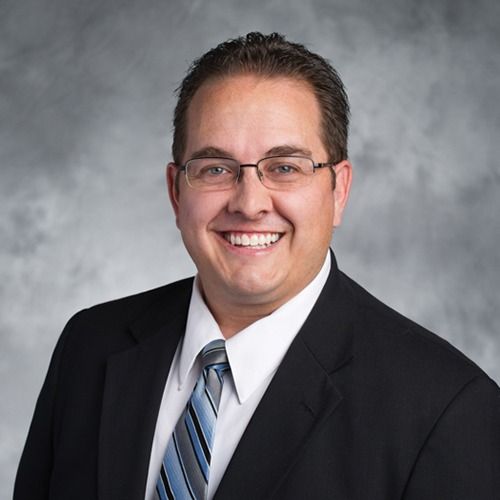
From Kitchen Tables to Congress: The Role of Parents in Civic Education with Lindsey Cormack
Civic education stands as a cornerstone of a thriving democracy, a theme we explore in this enlightening dialogue with Dr. Lindsay Cormick, a distinguished political scientist and author of "How to Raise a Citizen." At the crux of our discussion is the assertion that nurturing informed citizens is a shared responsibility, extending beyond the confines of formal education and into the very fabric of our daily lives. Dr. Cormick elucidates how our educational systems often neglect to impart the essential tenets of self-governance, leaving a significant gap in civic understanding. Through her insightful research, she advocates for a proactive approach, urging parents and communities to engage in the vital task of civic education at home, thereby fostering a generation that comprehends its power and responsibilities. Join us as we delve into the intricate dynamics of citizenship, the role of parents as educators, and the imperative of cultivating an engaged populace for the future of our democracy.
Takeaways:
- Democracy thrives not merely through governmental actions but predominantly through the formative processes at our kitchen tables.
- Engaging children in the fundamentals of governance can significantly bolster civic knowledge and responsibility.
- Citizenship education must begin early, as most American youth lack basic understanding of governmental structures and their functions.
- Parents and community members play a crucial role in shaping informed citizens, fostering engagement through practical civic involvement.
- The current educational landscape often fails to adequately prepare students for civic participation, necessitating parental intervention.
- It is imperative that we cultivate a culture of civic awareness and responsibility within our families to counteract societal apathy.
Links referenced in this episode:
Transcript
Welcome back to Perfect Union Pending, where we talk about the systems that make democracy work or quietly fall apart.
Speaker A:While we're busy refreshing the news today, we're looking at one of the most overlooked systems in America, how we actually teach people to be citizens.
Speaker A:Not just voters, but citizens, people who understand power, responsibility, and their role in keeping this whole messy experiment going.
Speaker A:Dr. Lindsay Cormick joins me.
Speaker A:She's a political scientist, professor, and author of how to Raise a Citizen and why it's up to youo to Do It, a book that makes the radical case that democracy isn't sustained by Washington, but by kitchen tables and daily habits.
Speaker A:Her research on political communication and her work tracking how Congress talks to voters gives her a front row seat to our civic language problem.
Speaker A:How little we actually teach the logic of self government.
Speaker A:Lindsey, thank you for being here.
Speaker A:Let's dig into the infrastructure of citizenship.
Speaker B:Thank you so much for having me.
Speaker B:No, don't worry about it.
Speaker A:For all of our listeners out there that haven't read the book yet.
Speaker B:How to Raise Citizens, I have been working at Stevens Institute of Technology, which is a premier engineering school, for 11 years.
Speaker B:About six years in after doing that, I noticed that my students who are so smart, they have really high test scores, they're really good at doing school, they go on to brilliant careers.
Speaker B:But I realized that most of them don't know the very basics, the fundamentals of government, whether that be separation of powers or how to pull their own levers or what the paths to power are.
Speaker B:And I thought, you know, if I have really great students who aren't getting this education, I imagine the outcomes are even more dire in other parts of the country or for other students with different outcomes.
Speaker B:And so I rounded up six of them, hired them as research assistants, and we got to figuring out how do we teach this around the United States.
Speaker B:And it resulted in this book project.
Speaker A:Nice.
Speaker A:You saw a problem and you found a solution.
Speaker A:So I think that's so important because so many people kind of throw their hands up in the air and say, well, what can be done?
Speaker A:You know, the school system's broke.
Speaker A:How do we.
Speaker A:They don't ask the question, how can we fix it?
Speaker A:Right.
Speaker A:Or if they do, it's very like, narrow to their specific child.
Speaker A:And I think it's admirable that you took it to the next level and said, how can we solve this problem for America rather than just for my children?
Speaker A:Right.
Speaker B:Yeah.
Speaker B:Thank you.
Speaker B:I see it as a collective problem.
Speaker B:And it's also something where I plan on living for the rest of my life in the United States and the idea that I'm just gonna like throw my hands up and be like, well, I guess it's just not working as well as it could be.
Speaker B:That's never made sense to me.
Speaker B:I'm always someone who, like, if I see a problem, I might not be able to fix it all, but I can incrementally make stuff a little bit better.
Speaker B:And I see this book as a part of that pathway that I've been following since I was able to.
Speaker A:Yeah.
Speaker A:And one of the things that really resonated with me as a parent was the fact that you were teaching parents how to teach it to children based upon their age appropriateness.
Speaker A:You're helping people meet them where they are rather than trying to expect them to be where you are.
Speaker A:As Wook could be arguably an expert in the field.
Speaker A:Right.
Speaker A:I know that we tend to get a little more academic in our language and we speak a little bit with bigger words and that can really be daunting for people that don't understand systems, don't understand government, how technical it can be, but how we just need to understand the basics that go with government in order to make more educated voters.
Speaker A:And that starts at a young age.
Speaker A:There have been plenty of people where you, you know, you're probably more politically involved than the average person, as am I.
Speaker A:But there have been studies and they've done where people don't even know the three branches of government.
Speaker A:And regular callers do that too.
Speaker A:So speak to a little bit about how this bridges that gap.
Speaker B:Yeah.
Speaker B:So what we saw was that throughout the United States, there's not one way that we teach school children what the government is, but there is sort of like a modal delivery pattern which is usually in seventh or eighth grade, kids are expected to exposed to their first round of civics or social studies.
Speaker B:Sometimes it's like world history, sometimes it's US History.
Speaker B:But that's like when they get their first formal school setting introduction, and then we usually wait until the 11th or 12th grade and give them a class called Government.
Speaker B:Some of them will opt into AP US Government.
Speaker B:But again, in every state there's a different sort of requirements.
Speaker B:Is this going to be a year long course?
Speaker B:A semester, A half semester?
Speaker B:Is there a test?
Speaker B:Do you have to pass it?
Speaker B:All those things are individualized up to the states.
Speaker B:But what we found in looking at the data on these things, whether that's the nation's report card at 8th grade or AP US government scores in high school, or voter Registration or voter turnout for our youngest 18 to 24 year old voters, we saw that no state is really doing this that well.
Speaker B:And part of the reason is it's hard to get everything done if you're just doing a dip in at 7th and 8th grade and then again in 11th and 12th.
Speaker B:Whereas parents can make a much greater impact on their children because they're around them for much longer.
Speaker B:And if it's hard to get this done in schools, which it is hard to get it done in schools, I don't think the answer is to say like, well, you know, states need to change their policies, we need to legislate around this.
Speaker B:It's like, that's all really, really difficult.
Speaker B:What's a little bit easier is if we can take this on in our homes and none of us are required to be policy experts or government trivia history buffs.
Speaker B:We all just need to model that there's something to learn, there's something to value.
Speaker B:And in that curiosity, not only will our children learn things, we're going to learn things in return.
Speaker B:So it's a benefit for really everyone as soon as they agree that it's a task that they have to take on.
Speaker A:Yeah.
Speaker A:And I think there's a, you know, modern.
Speaker A:It used to be parents were the sole teachers of children.
Speaker A:Right.
Speaker A:Like that was how teaching started.
Speaker A:Everything was existing.
Speaker A:And then as teaching became a thing where you would bring in some outside person to teach, then parents would offload teaching to the teacher and not necessarily taking the active role in children's educations as much as it needs to be.
Speaker A:And I think part of the problem is that we have such divided time and interest that we're focusing on, okay, well, how can I earn more money?
Speaker A:How can I be the better stay at home parent if you have one?
Speaker A:But more to the point is I think we need to reach together and say, okay, how can legislation and government support families in this education?
Speaker A:But how can families, how can we work together rather than separate?
Speaker A:Right.
Speaker A:How can we make this a project where we have informed citizens throughout society and not just based upon the luck of the draw and which class they get, or based on the knowledge of the parents that unfortunately isn't necessarily the most accurate all of the time.
Speaker A:Right.
Speaker A:How can we create this better uniform system?
Speaker A:So I think that it's very amazing that you've taken on that role and that task because as a parent it can be daunting.
Speaker A:I have six children and having six children means that I have to be able to teach from different levels and admittedly, I don't teach the little ones nearly as well as I teach bigger ones.
Speaker A:I love teaching college age students.
Speaker A:That's my thing.
Speaker A:You put me with kids and it's a little harder for me to use language they understand.
Speaker A:I'm used to using words that aren't.
Speaker A:And so having your book to help guide me has been key to speaking with my children, my older ones, that understand a little bit more about politics for it.
Speaker A:What would you say to parents that, you know, to find it daunting to go, besides buy your book?
Speaker A:Which I totally get.
Speaker A:I would totally recommend.
Speaker B:Thank you.
Speaker B:Well, I think.
Speaker B:I think something that I think parents need to be made aware of, and this is why the second half of this is why it's up to you to do it, is even if you feel like you're out of your depth or you don't really like engaging with these topics, that doesn't mean that your kids are not going to be exposed to them.
Speaker B:And most of the exposure that our kids, whether that be in children's literature or children's entertainment, is kind of negative.
Speaker B:Like the orientation to the government figures is distrustful or negative.
Speaker B:And a really easy example that anyone can sort of work through on their own is think about cartoons that you might have seen.
Speaker B:For you and I, it might have been like the Simpsons or shows that our kids are watching today.
Speaker B:If there is a government character, it's usually a mayor, and the mayor is like, at best a little bumbling doofus who like maybe gets it right in the end, but usually the protagonist of the show has more to do with it.
Speaker B:Or at worst, and more common, they're out to do harm to the city that they've been elected to protect.
Speaker B:And so our kids are getting this sort of narrative from a very early age, even if we aren't engaging in our house and politics proper, that government is something to be distrusted and people who are doing it are out to hurt us.
Speaker B:We know that at the state and local level, most of the people who are doing this work are essentially volunteers who are trying hard to make the world better.
Speaker B:In some version that might not be a version that we all share, but it's not that people go out and say, you know what?
Speaker B:I'm going to spend a lot of my volunteer hours making life worse for people in my local community or in my state.
Speaker B:They might have different ends, but they're all trying to make things better.
Speaker B:And I think we really have to counteract that as parents, which isn't necessarily lecturing them on like, here's the division of government and here's how federalism works from the time they're five onwards.
Speaker B:But it is sort of giving them an orientation or an approach that government can do good.
Speaker B:It does do good.
Speaker B:And the people who are mostly doing this work are your friends and your neighbors, especially at the state and local level.
Speaker A:I laugh because I've actually never seen an episode of the Simpsons.
Speaker B:Good for you.
Speaker A:I've only seen scenes from it randomly.
Speaker A:But you're right, like, most of the time, most television shows sell propaganda towards the negative.
Speaker A:Not, not, not the positive.
Speaker A:The good work that they do.
Speaker A:And I mean, that's true in legal too, right?
Speaker A:Like, either.
Speaker A:Either it's drama, that they do a lot of negative things.
Speaker A:Right.
Speaker A:They're hurting the little guy, or they're a bumbling idiot that it just happens to be a decent human being.
Speaker A:But they're not very good at their job when it comes to lawyers.
Speaker A:Right.
Speaker A:And so you put that in context.
Speaker A:It's like you either get suits, which is flashy and fun to look at and watch.
Speaker A:Highly inaccurate, right?
Speaker A:Harvey would have been disbarred by several times over had that been legitimate.
Speaker A:And I tell you that I'm sure that that goes into the government positions that.
Speaker A:Again, I haven't seen an episode of Simpsons, but I have seen the mayor of the Simpsons and how kind of off he is.
Speaker A:Again, not enough to say speak intelligently, but I can understand where that would come from.
Speaker A:And I think it's important that we talk about how we can represent better in the media.
Speaker A:It doesn't have to be boring.
Speaker A:It can still be drama filled without them having to be dispar.
Speaker A:It can still be funny without it being.
Speaker A:I think one of the more accurate portrayals would be, if I had to go with accuracy, would be Blue Bloods.
Speaker A:As far as, like the mayors are concerned.
Speaker A:If I had to guess right.
Speaker A:Like, I don't know what a mayor does specifically, but I can say that it doesn't seem quite as drama filled as some of the other shows that I've seen.
Speaker A:Regarding.
Speaker B:Is this a show?
Speaker B:I've never heard of this show.
Speaker A:Yeah, it's a show.
Speaker A:Blue Bloods.
Speaker A:It's with Tom Selleck and Donnie.
Speaker A:What's his name?
Speaker A:He was on New Kids on the Block.
Speaker B:I will not be able to go there in my mental role of things.
Speaker A:I almost said Donny Osmond.
Speaker A:Not Donny Osmond.
Speaker A:I'm not that old.
Speaker A:Donnie Wahlberg.
Speaker A:Donnie Wahlberg.
Speaker A:He's married to Janie McCarthy.
Speaker A:Anyway, so Donnie Wahlberg is in there.
Speaker A:He's detective.
Speaker A:All that good stuff.
Speaker A:But the relationship.
Speaker A:I mean, Blue Bloods is a typical procedural crime drama.
Speaker A:Nothing crazy exciting about that.
Speaker A:But the relationship between the police chief and the mayor is at least interesting, to the point that it doesn't seem overly hyped and it doesn't seem overly dramatic.
Speaker A:Rather than painting the mayor as a bumbling idiot or doing something nefarious, it seems he's fairly reasonable of a human being.
Speaker A:That's a politician.
Speaker A:Right.
Speaker A:The rest of the show, it's bigger than that, but it's interesting to watch.
Speaker A:So, yeah, it's a decent show that, you know, but I think it's important that we also educate our children on.
Speaker A:Hey, that's not necessarily what happens, Daddy.
Speaker A:That's an attorney.
Speaker A:You know, I don't go to work to hurt people.
Speaker A:Right.
Speaker A:I go to work to help people.
Speaker A:And that attorney, that's a TV show that's not telling us exactly what that person's doing.
Speaker A:And I think that's true, that we discuss those things with our children and say, you know, most government employees are there for the good.
Speaker A:Lawyers that work for the DoJ, present regime not included, are typically there because they want to serve.
Speaker A:They could have worked and done and made three to four times the amount of money that they're making at the DOJ or in government service.
Speaker A:They chose to go to the government to make a difference, to do positive, to do good.
Speaker A:And I think it's important that we emphasize the good and call out the bad.
Speaker A:Right.
Speaker A:That's part of what we need to do as parents and as educators to help them see that there's more to this than good and bad.
Speaker A:Right.
Speaker A:Like, there's.
Speaker A:There's a part that says that government is there to help, not hurt.
Speaker A:Generally speaking.
Speaker A:You know.
Speaker B:Generally speaking, yeah.
Speaker B:And I think it's more than just telling them.
Speaker B:I think showing them is one of the most powerful ways we can do this.
Speaker B:So if I could, like, wave a magic wand, I would make it so that every school child tours the state capitol, wherever they are, and gets to meet with some of the people who are doing that work, whether that be state assembly people or state senators, so that they can sort of have a sense of these are just people.
Speaker B:Because oftentimes they get this notion that it's like some nameless, faceless bureaucrat who doesn't have their interest at heart.
Speaker B:But when they see it's like, oh, it's just Bill, or, oh, just Justine does this.
Speaker B:That's a little Bit easier.
Speaker B:It also gives them something to aspire to, to note that that's not an off limits career.
Speaker B:That actually might be one ambition that they can have a vision of going towards.
Speaker B:But we shape the way they dream.
Speaker B:And if they can't see that as a dream and they can only see it as a negative or something where we say politicians are, are out to get us, or they're all crooked or they're in it for themselves, or they just don't want things that are nice for the rest of us, then they're not going to dream that way.
Speaker B:And so I think we have to show them how that dream can be realized and who's doing it right now.
Speaker A:And you bring up a valid point too, that we need to be exposed to our assemblymen, our state senators, whatever legislative body that we have.
Speaker A:Because I can guarantee you that, to be honest with you, I don't know my local either.
Speaker A:And that's something I need to work on to be fair.
Speaker A:I know my federal congressperson and I know my senators, but I couldn't tell you who my local is.
Speaker A:And I think that that's important that we reach out to and have people like our local leaders to discuss these issues so that we can get them when it comes to teaching our children about them.
Speaker A:You know, that they're not just ethereal people out there that, oh, you're assemblyman, right?
Speaker A:Or, oh, you're, you're state senator, whatever.
Speaker A:Someone who.
Speaker A:Do you know who Mallory McMorrow is?
Speaker B:I don't.
Speaker A:Okay, so she's a state senator for Michigan and she's a millennial and she basically ran for Congress.
Speaker A:But she's very open and very, she's spectacular.
Speaker A:Like, seriously, somebody I love to follow because she's just so much a person that you.
Speaker A:She's kind of the aoc, but of Michigan, if you will.
Speaker A:And she's just a very real person.
Speaker A:And you get that feeling from her that she's not there.
Speaker A:And she was attacked on.
Speaker A:One of her colleagues called her a groomer to give you context.
Speaker A:And so she reached out and said, no, I am a straight, white Christian woman who is here to help.
Speaker A:It's those types of interactions that we need where we see the good that they're doing rather than so much of the bad that's in the media.
Speaker A:Because there is a lot of good that is happening.
Speaker A:In fact, Gretchen Whitmer has come and they've basically said she got a budget passed and she doesn't have a majority in their Congress.
Speaker A:And talking about what all it meant for kids having lunches, all of these things.
Speaker A:And I think those things need to be talked about more for the sake of our children to see that government isn't there.
Speaker A:As Ronald Reagan says, the nine worst words to hear.
Speaker A:The government's here to help.
Speaker A:Right.
Speaker A:We have things like fema, we have things that noaa, we have all of these programs, usaid, which should never have gotten cut because we aren't here just to help ourselves, we're here to help others.
Speaker A:And I think that's part of the government that, that we don't get enough of because it's not salacious, it's not sensational, it's not sexy, if you will.
Speaker A:Scandals sell so well.
Speaker A:They've came out and said that Trump is great for the news because that's what fuels their clicks.
Speaker A:The more they report on Trump, the more that they get views.
Speaker A:And I think that that puts a dystopian type perspective on what government normally is.
Speaker A:We're certainly not living in the most of fun times at the moment when it comes to what the government is currently, but previously.
Speaker A:So what are some other ways that we can, besides, you know, state capital visits?
Speaker A:Like my, my state capital is eight hours away, so it's not like I can.
Speaker B:Yeah, it's the magic wand wish.
Speaker A:Yeah, yeah, exactly.
Speaker A:What are some other ways that we can teach our children or teach children.
Speaker A:Right.
Speaker A:Maybe we don't have children, but we can influence children to help them become better citizens.
Speaker B:Yeah.
Speaker B:So if you don't have a child, that's not a big deal.
Speaker B:You never know whose civic role model you're going to be.
Speaker B:You could be a coach, you could be an aunt, you could be an uncle, you could be a neighbor.
Speaker B:And so while the book looks like it's directed towards parents, my argument is broader than that.
Speaker B:If we as a community want things to be better, then we owe it to everyone, young and old, to sort of work on this collectively.
Speaker B:So, yeah, let's say a state capital visit is out of the picture.
Speaker B:Something that can be really good to do is get something in your town or community that you care about and show a child what it is to be routinely invested in that.
Speaker B:Whether that's a, I do this park cleanup once a month, or hey, we need to have new plants go in.
Speaker B:Are you gonna be there for the bulb thing so that we can have a more beautiful community for us to walk around in?
Speaker B:Or every local government official will have something like a coffee on the corner or I'm going to have like a meeting For a little roundtable or whatever.
Speaker B:Being on the radar of whoever is doing that work is not only good for our kids and for ourselves because they get that sort of interaction, but it's also good for the people who are doing that work to remember I'm not just here for the adults.
Speaker B:I'm not just here for donors.
Speaker B:I'm not just here for voters.
Speaker B:I'm here for everyone, and that includes children.
Speaker B:I'll give you an example of something we just had on my campus that I was really proud of for our student government.
Speaker B:We have a vacant city council seat that's come up for election in November.
Speaker B:There's four candidates who are running for it, and it represents the entirety of our campus, like geography.
Speaker B:And so what our student government did is they invited all four candidates to campus.
Speaker B:This not for a debate, not for a lecture, just for a meet and greet with the Stevens students so that they could sort of test their own internal assessments of them.
Speaker B:Did they like them?
Speaker B:Did they find them to be credible and trustworthy in interpersonal relationships?
Speaker B:They then went on and had a debate at the library that some of the students attended.
Speaker B:But the whole purpose of what the student government does was like, let's just meet these people.
Speaker B:And I really liked that.
Speaker B:Because though college turnout is low, and in our university, about only a quarter of the students who are registered turn out to vote.
Speaker B:I went through the numbers with them, and I was like, yeah, guys, but last time around, the person who won this seat only had 950 votes.
Speaker B:And even if only a quarter of you turn out like you have in the past, that's more than 950 voters.
Speaker B:So you can be pivotal, but you have to sort of have those entry points to figure out who you're going to vote for.
Speaker B:Are you going to try to campaign with each other?
Speaker B:Are you going to convince your friends to turn out?
Speaker B:And that's something that doesn't just happen, you know, because this four systems align.
Speaker B:You just get these people.
Speaker B:People had to do the work.
Speaker B:The student government had to find a date, organize, invite people, clear calendars.
Speaker B:And that's stuff that we can do.
Speaker B:We just have to do the effort of it, right?
Speaker A:And I try to get my students to vote.
Speaker A:I'll offer extra credit for voting.
Speaker A:I'm not advocating any position on anything.
Speaker A:I simply say, look, you show me a sticker with I voted on it.
Speaker A:And it's mostly on your honor, Because I want my students to be engaged citizens.
Speaker A:And so I will engage in political discourse, which is.
Speaker A:Is better on a college campus than average places.
Speaker A:But we talk about that.
Speaker A:We talk about what each candidate has in the context of business, but also in the context of what's good for life.
Speaker A:I firmly believe we need to have a balance and that government should balance the needs of the people with the corporations that they also represent.
Speaker A:I think if you're too skewed one side or the other, it hurts society as a whole.
Speaker A:Right?
Speaker A:We need.
Speaker A:Excuse me, we need to have our companies and our corporations to provide jobs.
Speaker A:We need to have these types of things, but we need them not to hurt people, too.
Speaker A:And so I'll talk about what I call toxic capitalism and that you make as much money as you want.
Speaker A:I don't care how much money you make.
Speaker A:I care when that pursuit of money harms others, when it hurts the stakeholders, the shareholders, the employees.
Speaker A:Fill in the blank.
Speaker A:Anybody that it hurts, that's when you know you've made too much money.
Speaker A:Right?
Speaker A:When we're hurting others because of our pursuit of money.
Speaker A:And so I will speak on that and I will say, look, vote for the candidate that you want, but here are some factors that you need to keep in mind.
Speaker A:And I go through and I educate them and I try to present as unbiased of a thing and admitting my bias, Right?
Speaker A:Like, that's the other part, is that no one is completely unbiased.
Speaker A:It's just an impossibility.
Speaker A:And so what we'll do is, though, I'll offer that extra credit for the sake of getting themselves educated and doing it for people that can't vote, because there are some, if they're under 18 or they're not US citizens, I will give them an alternative assignment that will allow them to get extra credit so that everybody can be included in that, that they're not feeling excluded simply because they couldn't vote.
Speaker A:Because unfortunately, that's true.
Speaker A:There are some people that can't.
Speaker A:Vot.
Speaker A:Is there something is.
Speaker A:Here's a good question for you.
Speaker A:Is there something else that I could be doing to help encourage my students to vote?
Speaker B:So I think in terms of what you're saying right now, that's similar to my approach, which is like, give them the time to do it.
Speaker B:Give them extra credit to do it.
Speaker B:But I like to relate it to my students in terms of if there's anything that they ever want to get good at, whether that's a sport or an instrument or musical theater, they have to practice.
Speaker B:And so they might not care about all the issues that are happening at the local level, but this is developing Muscle memory.
Speaker B:This is like going to the gym of politics.
Speaker B:Because there will be a day, and it might be later down the road when they find themselves raising their own children where they're gonna have to grapple with like a parcel tax ballot initiative or something that's gonna change school funding, and that's gonna be something they care about.
Speaker B:They'll be so much more prepared if they just start doing those steps and those motions here.
Speaker B:So it's not just do this so that I give you extra credit.
Speaker B:It's do this because you're going to the gym of life.
Speaker B:You're going to something that's going to stress test you a little bit.
Speaker B:Sure, it might not be your most favorite way to spend an hour waiting in line and maybe voting, but it's going to make you that much more powerful in the future because you are going to get to repeatedly interact with this system, provided you want to stay in America for the rest of your life.
Speaker B:And that's really actually a beauty.
Speaker B:That's a privilege.
Speaker B:That's an awesome thing to be able to have.
Speaker B:So get as good at it as you can by starting really young.
Speaker A:Right.
Speaker A:That's so important, I think here.
Speaker A:See, for me, voting was always a default.
Speaker A:Like, I had never considered not voting.
Speaker A:I mean, there are times when I haven't been able to because of stars being what they are some days.
Speaker A:But I'd never considered, oh, I should sit this vote out.
Speaker A:And I think that's such an interesting.
Speaker A:When people say, well, why should I vote?
Speaker A:Well, who was it that said decisions are made by those who show up?
Speaker A:And if you weren't willing to show up, how can you.
Speaker A:One of the things is, if you're not willing to vote, you can't complain.
Speaker A:Well, you can still complain.
Speaker A:It doesn't have the same weight that it does when you vote it, whether it be for ballot initiatives or particular candidates.
Speaker A:But I think part of it is that you're right.
Speaker A:I was taught to vote as a child and I saw my parents voting on the regular.
Speaker A:And so if we want our children to see and to be citizens, we have to be, you know, informed and active citizens as well.
Speaker A:I think that's such an important part.
Speaker A:So, you know, given our current state, you know, there's a lot of apathy, there's a lot of fear going on in the world right now, almost palpable.
Speaker A:The no Kings rally was just this past week.
Speaker A:And what would you say to people to give them hope?
Speaker B:Well, I think one of the most hopeful things is that if you're born here by the chances that be you've been born into a system where the governed can or they get their ability to govern by the consent of those who are the people.
Speaker B:We the people are the ones who get to control this system.
Speaker B:But we have to activate our power.
Speaker B:I'm also incredibly hopeful when I think about how future generations, this youngest ones and the ones that are coming up can deal with this, partially because we're at such a deficit right now.
Speaker B:Like when we look at the share of 18 year olds who turned out to vote the last time we had midterm elections, it's around 25%, which means we really have room to grow.
Speaker B:And year over year, since 18 year olds have been allowed to vote, they have continually marched upwards in the share of them that are trying to do this.
Speaker B: Up until: Speaker B: nticipated though, because in: Speaker B:Many more students were at home with their parents.
Speaker B:Vote by mail made it easier for people to get this done.
Speaker B: is still more than it was in: Speaker B:And so I know that the march can continue upwards.
Speaker B:I'm ultimately very hopeful about the American experiment and about how younger people are going to orient themselves to politics.
Speaker A:Yeah.
Speaker A:In fact, I've even told my students, I said, you know, you by demographic are larger than even the largest demographic above you.
Speaker A:And if you want to change the world, you have to show up to vote.
Speaker A:Right.
Speaker A:They could change so many things if they would show up.
Speaker A:And I think that that's an important thing is that a lot of them think they don't have the power.
Speaker A:Right.
Speaker A:Like they think, oh, well, I don't have money, so I don't have power.
Speaker A:And that's the beautiful thing about our democracy is yes, money plays a role and Citizens United did not help that.
Speaker A:But at the same time, if, if enough people show up, we, we win.
Speaker A:Right.
Speaker A:Like there, there's so much that we can do that we couldn't do without that.
Speaker B:Yeah.
Speaker B:But young people, I think, need extra help because oftentimes registration deadlines are like a month before you can actually vote.
Speaker B:And most people, young or old, are not attuned to thinking about an election a month out.
Speaker B:And so one thing that I argue, parents should do as soon as their children have left the home, if they move to a new location as part of your, like, welcome to your.
Speaker B:You might send them like a dish.
Speaker B:You might send them fruit.
Speaker B:You can tell them like, okay, it's time to update your voter registration to this address.
Speaker B:And I deal with this with my college students too, because a lot of them will say, like, oh, I'm registered back at home.
Speaker B:And I'm like, do you really think in the middle of a semester on a Tuesday, you're going to figure out what it is to get on a train and go back to a different county and vote no?
Speaker B:Or, when's the last time you went and bought stamps?
Speaker B:How often are you mailing things?
Speaker B:I don't really believe that you're going to have as successful a chance of casting a ballot if you have to do vote by mail versus changing your registration to where you live right now.
Speaker B:And something that I heard when I was talking with students at that event that we had with the city council members is semester just started.
Speaker B:And one of the students was like, well, I didn't register to vote here because I thought, like, you know, the people who live here wouldn't want, like an outsider making the choices.
Speaker B:And I was like, well, hold on.
Speaker B:Have you lived here for 30 days, which is the longest residency requirement that any state can demand of someone?
Speaker B:And he was like, yes.
Speaker B:And I was like, do you plan to be here for the next year for 50% plus one of the night heights?
Speaker B:And he was like, well, yeah, I go to school here.
Speaker B:I was like, well, then guess what, you're a resident.
Speaker B:This is your politics.
Speaker B:This is where your power is.
Speaker B:And so don't feel like you're an outsider.
Speaker B:This is the inside for you.
Speaker B:And a lot of our young people just don't get that because they're not getting those messages in schools.
Speaker B:They aren't paying attention to local politics or deadlines in really meaningful ways.
Speaker B:Because it's hard.
Speaker B:It's low information.
Speaker B:It's not really getting pushed to them.
Speaker B:And so we as the older adults in the room have to help them with some of that work instead of just saying like, well, you guys could be powerful if you turned out.
Speaker B:It's like, yes, that's true.
Speaker B:But if we want to help usher that in, we can do some work to make that a little bit easier, which is helping them learn how to register to vote, making sure that information gets to them instead of hoping that the vagaries of the Internet will take care of it.
Speaker A:Sure.
Speaker A:And I also think, I think same day voting or same day registration should Be standard.
Speaker A:I don't see a reason why it shouldn't.
Speaker A:And we won't get into the voting laws that are currently getting eviscerated.
Speaker A:And I say that because the Voting Rights act, that Supreme Court looks like they're posed to eliminate it in its entirety.
Speaker A:At least that's based on my read.
Speaker A:Not saying.
Speaker B:I think section two is probably coming.
Speaker B:Gonna become undone.
Speaker B:I think if you listen to the oral arguments in that case, it seems, it seems that the sort of rationale is being provided.
Speaker B:I agree with you on that.
Speaker A:Yeah.
Speaker A:And that's unfortunate too, because I think, see, the funny thing is, the more people that vote, the better the elections that we have.
Speaker A:I mean, it's.
Speaker A:The more people that show up, up.
Speaker A:Like, you know, people talk about, oh, there's so much fraud, there's so much abuse.
Speaker A:And.
Speaker A:And I'm like, it's actually no statistically unlikely, number one.
Speaker A:Number two, the more people that vote, the less any type of quote, unquote, fraud could influence the election.
Speaker A:You know?
Speaker B:Yeah, you've made the denominator too big for a few bad actors to switch an outcome.
Speaker B:It's also the case that when people give that to me, I'm like, you should go work as a poll worker at least once.
Speaker B:Like, go see what that work involves.
Speaker B:It's very hard to have a fraudulent sort of system that would take down entire election because there's so many checks, there's so many, a Republican and a Democrat is going to have to be in this role.
Speaker B:It's all very low tech in some ways.
Speaker B:And so it's like hard to conceive of hacking it nationally.
Speaker B:But sometimes you have to experience that to realize how secure our elections really are and how someone who wants to be a bad actor in that system, their likelihood that they have a successful outcome is so low that it doesn't really make sense to put your criminal energy to that.
Speaker A:Right.
Speaker A:And of all the things to be a criminal about, like, just, you know, the cynical side of me says, where's the money?
Speaker A:Where's the money in hacking an election?
Speaker A:Like, seriously, like, there's no.
Speaker A:What I mean by that is there's no direct money.
Speaker A:It's not like, like if you hack a bank, right?
Speaker A:Or you try to hack a bank, or you try to.
Speaker A:If you're going to do something criminal, you're going to do something that's going to net you with a reasonably fast reward.
Speaker A:Generally speaking, there are some exceptions to that.
Speaker A:But the idea that if you're going to try to hack something you're going to hack something that has a direct value, usually.
Speaker A:Or if you're going to try to subvert an election, where's the value?
Speaker A:Where's the money?
Speaker B:It's also really easy to detect, right.
Speaker B:If you have to sign your name to say, I'm here and I live here and I'm in first name, it's not the crime to do.
Speaker A:No.
Speaker A:And that's the thing.
Speaker A:And so what we need to do is most of the elections have been safe.
Speaker A:There have been occasional bad actors, but for the most part, they're very rare.
Speaker A:But even that bad actor, besides the fact that it's very rare, it's really hard to make any substantial difference.
Speaker A:Statistically speaking, the more people that show up, the less fraud would actually even have any minuscule impact on it.
Speaker A:And people don't think in numbers like that.
Speaker A:They think that there's ballot harvesting.
Speaker A:Did you ever watch the Good Wife?
Speaker B:No.
Speaker A:Okay, so there's an episode where Peter Florek, who's the father, he's the guy that does bad stuff, which is kind of ironic because it turned out he was actually doing bad stuff in real life.
Speaker A:But we won't go there anyway.
Speaker A:One of the episodes was of basically ballot harvesting, where they brought in a bunch of ballots and you'll have to watch the episode.
Speaker A:But even at that level, it was very difficult for them to fraudulently affect the election.
Speaker A:And this was a TV show.
Speaker A:So imagine it being even more difficult to affect an election on the federal level.
Speaker A:It's practically impossible.
Speaker A:It's not impossible, but it's close to that level of the limit does not exist.
Speaker A:When it comes to impossibility, it's not.
Speaker B:A worry that I think about.
Speaker B:I've been doing this for my entire adult life and nothing keeps me up at night.
Speaker B:That's even close to related to, like, is this election going to be fraudulently determined?
Speaker B:I never concern myself about that in American politics.
Speaker A:Well, and there's a good reason for that besides.
Speaker A:And part of that is your education, right?
Speaker A:If you're uneducated about it and you get told the media is pumping the fraud angle, you can critically say, well, the numbers say otherwise, right?
Speaker A:Like, you can look at your education and go, no, no, no, that does not make sense that those.
Speaker A:That does.
Speaker A:No, you know, but if you don't have that same knowledge, because presumably you have a, you know, a knowledge of statistics and, you know, research and whatnot, which is not something the average human in America has.
Speaker A:And so they're going to look at it from the lens of, well, it might be true because the media is saying it might be true.
Speaker A:Right.
Speaker B:But this is why it's important to have these discussion with our kids.
Speaker B:We make our kids so much less susceptible to misinformation, disinformation or outrage, clickbaity stuff if they have a rooted understanding in both, like the histories, the legal processes, the procedures as to how these things actually happen.
Speaker B:And I guarantee you, if you have your teens sign up, I think in most states if you're 16 and older, you can be a poll worker, let them see it once and it'll dispel them of the idea that like there can be nefarious masterminds out there changing elections.
Speaker A:Right, Right.
Speaker A:Gotta love it when the thing beeps at the wrong time.
Speaker A:Lindsay, it has been great speaking with you.
Speaker A:Thank you so much for coming on.
Speaker A:Whether any last minute thoughts as far as what would you want someone who hasn't read your book but would like to to learn, I guess, what's your one thing that you would want to share?
Speaker B:So I think the thing that our parents most need to understand is that it really is up to us to get this done.
Speaker B:If you don't like the way that our politics feels or functions right now, the notion that someone else is going to save us or schools are going to take care of it and teach our kids how to use the system in a better, that's probably not true.
Speaker B:And so we are the adults in the room now.
Speaker B:It's not a problem that we don't know as much as we think we should.
Speaker B:It's not a book that's supposed to scold you into saying, here's what you, you should have learned.
Speaker B:It's saying, I'm sorry we didn't learn as much as we wanted to, but as the people who get to chart the future of our country, we can make it a whole lot better if we do that work with our kids.
Speaker B:So take it on.
Speaker B:Understand that it's yours to take on because no one else is coming to do it in a way that you probably like.
Speaker A:Yeah.
Speaker A:And I think that's so important that we take that active role in our children's lives and in general.
Speaker A:Right.
Speaker A:Like we can impact wisdom to our children's friends that, you know, maybe their parents aren't as politically active or maybe as politically involved and we can help shape their view to a point obviously to a more just and better society.
Speaker A:So, Lindsay, thank you so much for coming on.
Speaker A:I sincerely appreciate your time and great to have you.
Speaker A:Thank you.
Speaker B:Thanks for having me.
Speaker B:This was really fun.
Speaker A:It's fun.
Speaker A:Here's what sticks with me.
Speaker A:Civic education isn't an elective.
Speaker A:It's the wiring that keeps a democracy from short circuiting.
Speaker A:Dr. Cormac reminds us that we are quietly defunded.
Speaker A:The software that teaches people how to cover themselves.
Speaker A:The good news is that we can rebuild it, one school board, one classroom, one dinner table at a time.
Speaker A:If you want to dig deeper, her book, how to Raise a Citizen, is a smart place to start.
Speaker A:Not as a parenting guide, but as a national audit of what we've stopped teaching.
Speaker A:Because in the end, the union doesn't stay perfect by accident.
Speaker A:It stays perfect because citizens keep practicing.
Speaker A:Sam.